
What Actually Happens after Conversion?
You’ve heard the debates. The purists warn it’ll “ruin your car.” The optimists say it’s the future. But what actually happens after you hit “go” on an EV conversion for your classic? What changes? What stays the same? And most importantly—will it still feel like “your car”?
This isn’t about abstract “value” or “heritage”—it’s about the real, day-to-day reality of owning a converted classic. No hype, no fear-mongering—just the truth about life after your classic gets a modern electric heart.
Spoiler: It’s not about losing your car’s soul. It’s about giving it a second life—one where you can drive it, enjoy it, and stop worrying about it. Here’s exactly what happens after EV conversion.
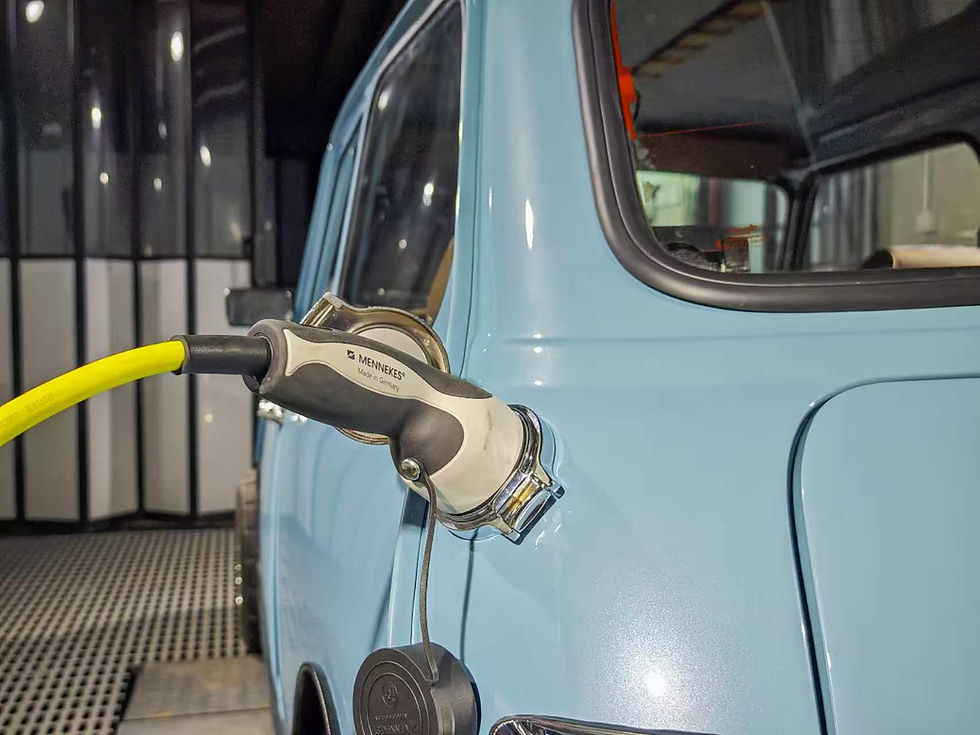
First: What Doesn’t Change (Your Classic’s Soul Stays Intact)
Let’s start with the biggest relief for enthusiasts: almost everything you love about your classic remains untouched. A professional conversion isn’t a “restyling” or a “restomod”—it’s a powertrain upgrade, pure and simple. Here’s what stays the same, down to the smallest detail:
1. The Exterior: Still Your Iconic Classic
Your classic’s iconic lines—whether it’s a vintage sedan, a sporty coupe, or a retro SUV—stay exactly as they rolled off the factory floor. Passersby will still do a double-take. Fellow enthusiasts will still recognize it. The only way anyone will know it’s electric? If you pop the hood (more on that later).
2. The Interior: All the Nostalgia, None of the Hassle
Your original seats, steering wheel, dashboard, and even the vintage radio (if you want to keep it) remain in place. No modern touchscreens forced into the dash. No weird wiring or out-of-place controls. The only minor change? Repurposed gauges display key driving information throught the original instrument cluster.
The feel? Exactly the same. The way the steering wheel fits your hands, the sound of the door closing, the vibe of the cabin—all the nostalgia you cherish stays intact. It’s still the car you’ve spent years waxing, cleaning, and loving.
3. The Character: Quirks and All
Classic cars have quirks—little idiosyncrasies that make them feel like “yours.” Maybe the door creaks a little when you open it. Maybe the steering is a touch heavy. Maybe the seats have a worn spot where you always sit. None of that changes. EV conversion only replaces the engine—not the personality of your car. Those quirks? They’re still there, making every drive feel familiar and special.

What Changes: The Parts That Were Holding You Back
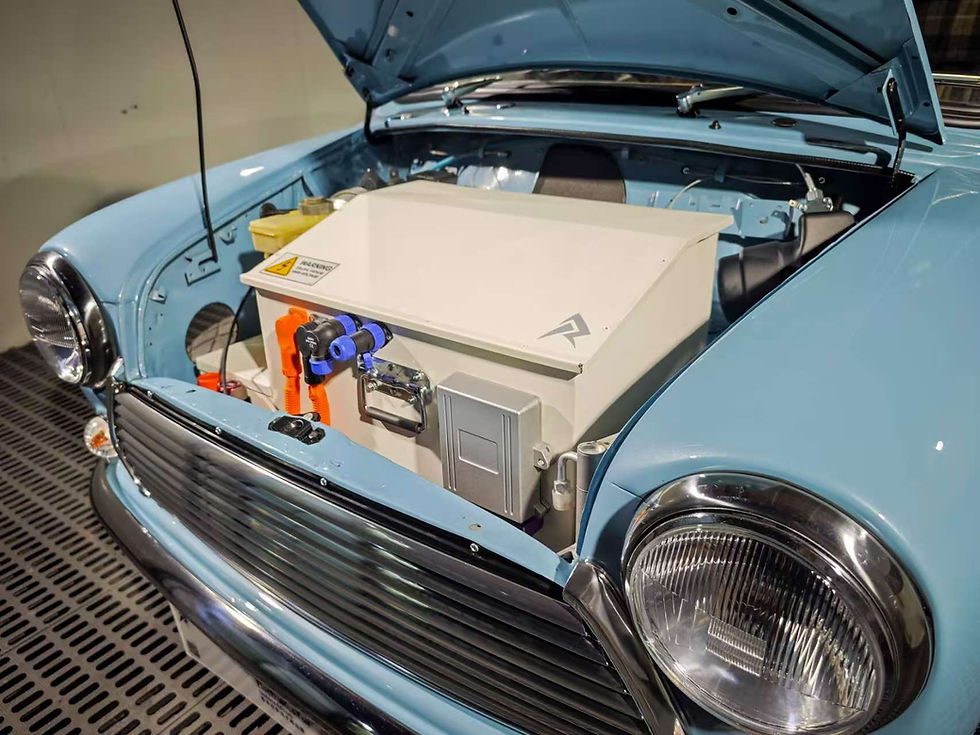
Now, the good stuff—the changes that turn your “high-maintenance classic” into a car you can drive every day, without stress. These are the upgrades that matter, and they’re all under the hood (or hidden away, so they don’t ruin the feel).
1. Under the Hood: A Clean, Quiet, Reliable Heart
Gone is the noisy, leaky petrol engine. In its place? A compact, quiet electric motor and battery pack, installed with factory-level precision. No more oil leaks. No more overheating. No more struggling to start it on cold mornings. No more the smell of petrol in the cabin.
What you get instead: A smooth, silent hum when you turn the key (or press the start button—we can keep the original key if you want). Instant torque that makes your classic feel more responsive than ever—perfect for Hong Kong’s stop-start traffic and winding hills. No more waiting for the engine to warm up; just turn it on and go.
2. Running Costs: From “Money Pit” to “Pocket Change”
This is where the biggest difference hits—your wallet. Let’s be real: Owning a classic petrol car in Hong Kong is expensive. With premium petrol at HK$28–30 per litre, filling up a classic (which often gets 8–10 km per litre) can cost HK$1,500–$2,000 per tank. Monthly fuel bills easily hit HK$3,000–$4,000 for regular drivers.
After conversion? Charging costs average HK$0.40–$0.60 per km. For 10,000 km per year, that’s just HK$300–$500 annually—98% less than petrol. No more panicking about fuel price hikes. No more skipping road trips because you can’t afford to fill up. Just cheap, stable electricity to power your drives.
3. Maintenance: “Weekend Mechanic” to “Set It and Forget It”
If you’re a classic car owner, you know the drill: weekends spent fixing leaks, chasing down rare parts, and worrying about breakdowns. Petrol engines have hundreds of moving parts—each one a potential failure point. Spare parts for vintage models are disappearing in Hong Kong, and a single repair can cost HK$20,000–$50,000.
EVs have 70–80% fewer moving parts. No oil changes. No engine tune-ups. No carburetor repairs. No exhaust system replacements. After conversion, your maintenance routine boils down to: charge it, drive it, and occasionally check the battery (we include a 5 years unlimited mileage warranty, so even that is stress-free).
You’ll get your weekends back. Just more time driving the car you love.
4. Future-Proofing: No More Worrying About Emissions or Licensing
Hong Kong’s emissions rules are tightening. Old petrol cars are facing more restrictions—higher taxes, stricter inspections, and even bans in some areas. Many classic owners worry their car will soon be unregisterable.
After EV conversion? Your car is zero-emission, fully compliant with Hong Kong’s green transport goals. No more emissions tests. No more worrying about future bans. You can drive it for decades—long enough to pass it down to the next generation.
What It Feels Like to Drive Your Converted Classic
The biggest question for enthusiasts: Will it still feel like “my car”? The answer is yes—with a few welcome upgrades.
Driving your converted classic is familiar, but better. The steering, the handling, the view from the driver’s seat—all the same. But now, there’s no engine noise to drown out the road. No vibration from an old engine. Just smooth, quiet acceleration that makes even daily commutes feel special.
Many of our clients say the same thing: “It’s still my car—it’s just happier.” No more stress about breaking down. No more watching the fuel gauge drop. Just the joy of driving a classic, without the hassle.
The Bottom Line: Life After Conversion Is Life With Your Car
At the end of the day, EV conversion isn’t about changing your classic—it’s about keeping it. It’s about turning a car that’s sitting in the garage, unused and decaying, into a car you can drive every day. It’s about preserving the soul of your classic while fixing the parts that were holding it back.
After conversion, you don’t lose your car—you gain more time with it. More road trips. More memories. More of the joy that made you fall in love with it in the first place.
Whether you opt for our entry-level conversion for a compact classic or a premium build for a larger vintage model, the result is the same: your classic, reborn.
Ready to drive. Ready to last. Ready to be loved for decades more.
Life after EV conversion isn’t about saying goodbye to your classic. It’s about saying hello to more years together.


Comments